SOFTWARE FACTORY ARCHITECT

Software that
builds itself

Your team could be shipping what AI agents build: safely, reviewably, and faster than any hiring plan allows. I’m Westley Bonack, a software factory architect. I design and stand up the system where AI agents plan, build, test, and ship software while your engineers direct and approve the work. I don’t just advise on it. I run a factory like this every day, on tools I built myself.

For engineering teams ready to move past AI pilots and get autonomous output into production

01 / WHAT I DO

Most teams have AI assistants. Very few have AI that ships. The gap is the system around the agents: how work is assigned, sandboxed, verified, and reviewed. That system is a software factory, and designing one is what I do. No hype and no slideware. You end up with a working factory your team owns and trusts.

02 / THE FACTORY TOOLS

Proof, not slides.

I built these tools to run my own software factory. The lessons behind them are what I bring to yours.

01AI / DEVELOPER TOOLS
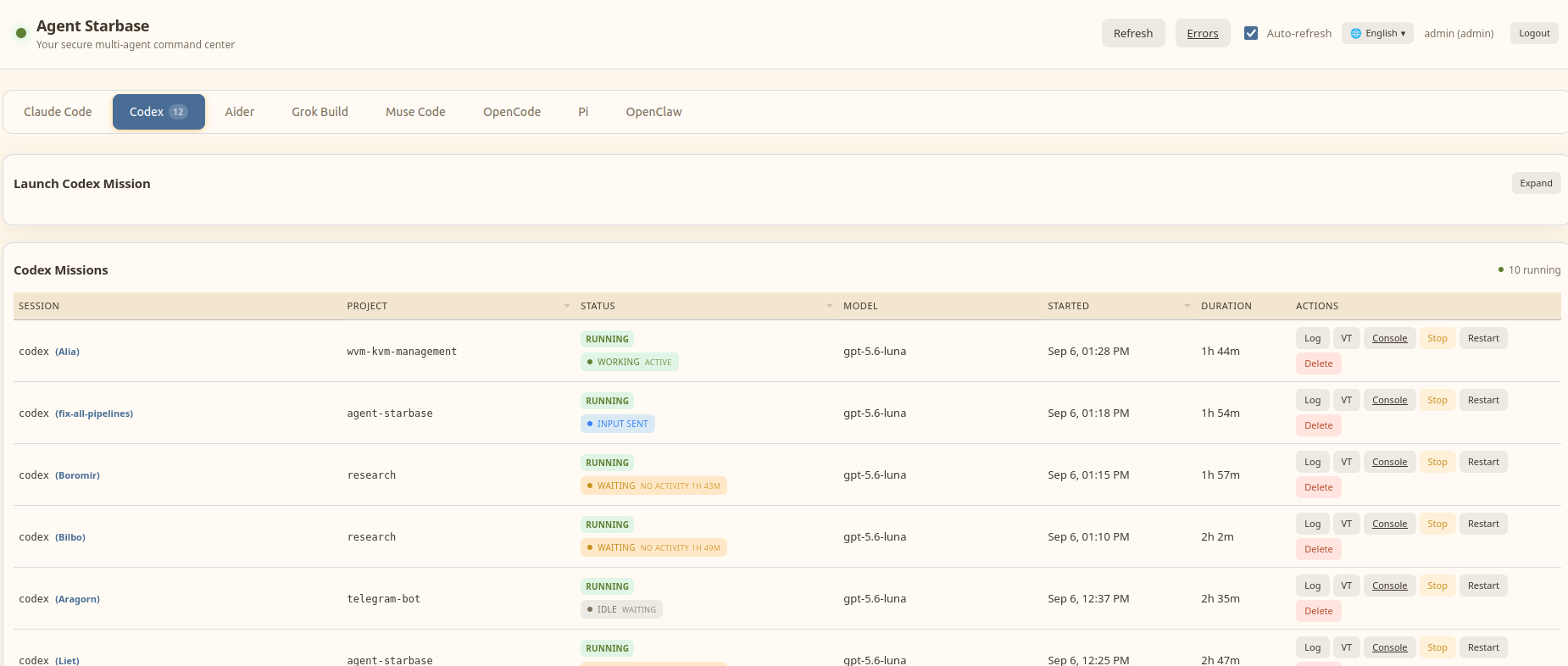
Agent Starbase web interface showing agent work

Agent Starbase

Why I built it I wanted to give coding agents real work, autonomously, while still seeing what they were doing and reviewing the result.

The control room of a software factory: a self-hosted workbench for running coding agents in the cloud in Docker sandboxes, following their progress, and reviewing their work from a browser or phone.

  • Live terminals, job queues, scheduling, and task tracking
  • Explicit capability boundaries and visible human review
  • Built for real projects, multiple agents, and ongoing operations
  • Works across LLM providers, so you are never locked into one vendor
02VIRTUALIZATION / CLI
● ● ●nbr / terminal

$ nbr init

✓ nbr.yaml created

$ nbr up

✓ VM created and started

$ nbr ssh▌

Nebrelo

Why I built it My projects and AI automation needed more infrastructure, and I kept hitting resource limits and losing time to migrations.

A Ruby CLI that turns a Linux KVM host into a fleet of virtual machines defined in a small nbr.yaml, wrapping libvirt’s power in straightforward commands.

  • Create, inspect, SSH into, and export VMs from one CLI
  • Declarative nbr plan / nbr apply workflows for repeatable fleets
  • Use a consistent interface across OSes
  • Build disposable VMs for autonomous agents
03AI BOOK PROOFREADING (MECHANICAL)

RedPen Robot

Why I built it I wanted authors to spend less time on routine proofreading and more time writing.

An AI proofreading service that checks book manuscripts for grammar, spelling, punctuation, and style mistakes.

  • Upload a manuscript as a PDF or Word document
  • Review the findings and download a PDF report
03 / FACTORY PRINCIPLES

Deep expertise
No nonsense

The principles behind every factory I design, learned from running one in production.

01 / CLARITY

Keep autonomy legible.

When agents work on their own you need to see what they did, what changed, and what needs a human decision.

02 / ITERATE

Automate by iterating on a real line

A factory is discovered, not planned. Run one real workflow end to end, then widen it.

03 / FOLLOW-THROUGH

Own the whole loop, including QA.

Design, build, test, review, deploy, observe, and improve. Autonomous output is only worth shipping if the system verifies it.

04 / WORK TOGETHER

Where I can help.

✳

Software factory consulting

You want AI agents shipping real work, not another stalled pilot. I assess where you are, design the architecture, stand up your first working line, and train your team to run it without me. $500/hour, with lower rates for larger engagements.

See how an engagement works
06 / NEXT CONVERSATION

Have something
worth building?

Tell me what you’re building, where it’s stuck, and what success would look like. You’ll get a candid read on what to automate first, whether or not we end up working together.

Start the conversation PROJECTS · CONSULTING